
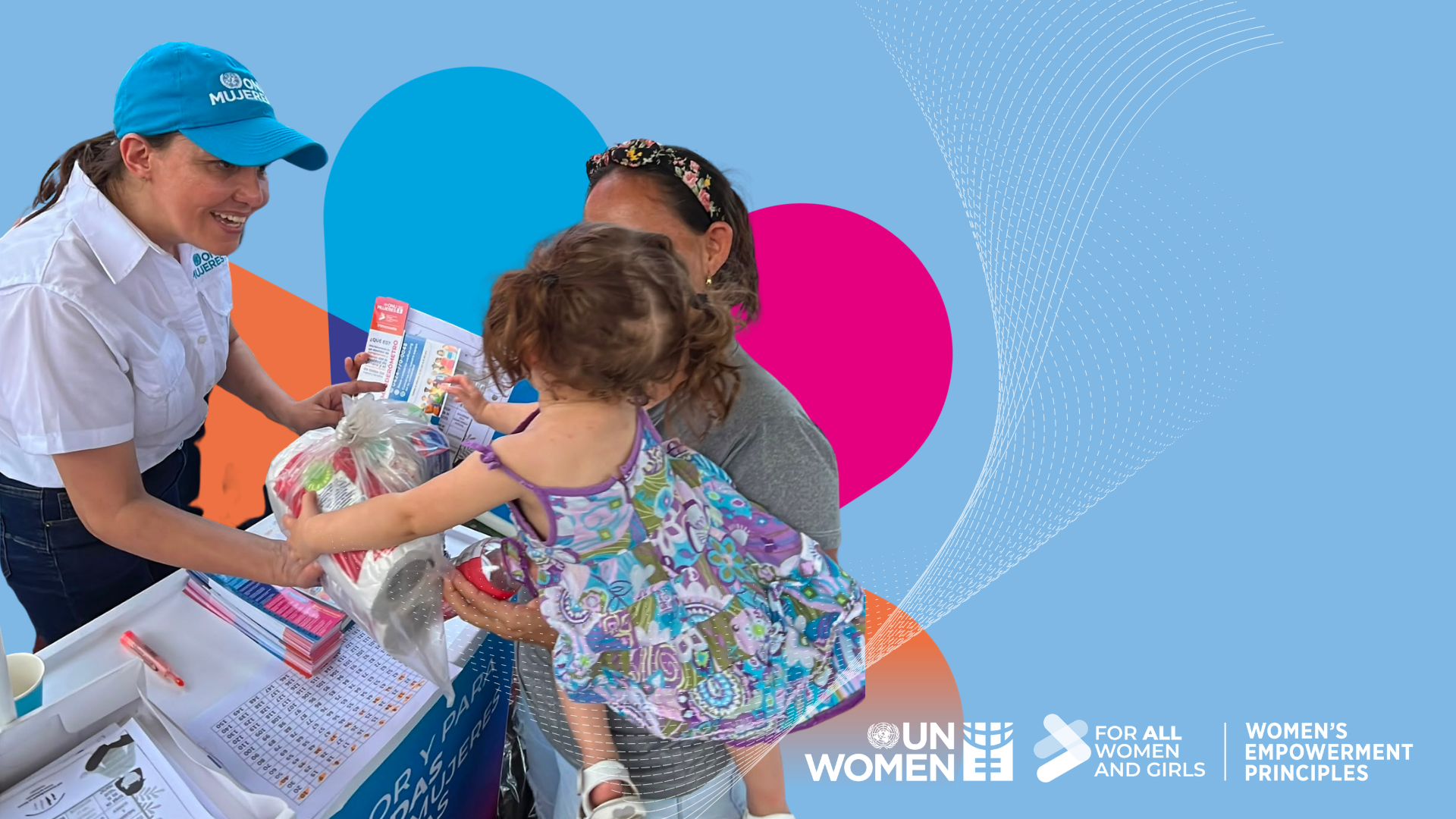
After twin earthquakes hit Venezuela in June, private-sector signatories of the Women's Empowerment Principles turned their core capabilities toward the communities that needed them most.
In La Guaira, the ground shook twice in under a minute. On 24 June, two earthquakes — magnitude 7.2 and 7.5 — tore through Venezuela's central-northern region, followed by more than a thousand aftershocks. Homes collapsed. Hospitals were damaged. Families slept outside, uncertain if it would be safe to go back in.
Women, adolescents and girls face a double impact, a compounding burden, when disaster strikes and in its aftermath. Pregnant women still need safe deliveries. Women and girls still need menstrual hygiene products. And emergencies can tend to bring a rise in gender-based violence, including sexual violence. In the shelters that spring up afterwards a further concern is a lack of privacy for the women and girls sleeping there.
This is the backdrop against which a group of companies decided to act — not just by writing a cheque, but by putting their own operations to work.
Turning core business into relief work
When disaster strikes, business can move fast to help their communities recover.
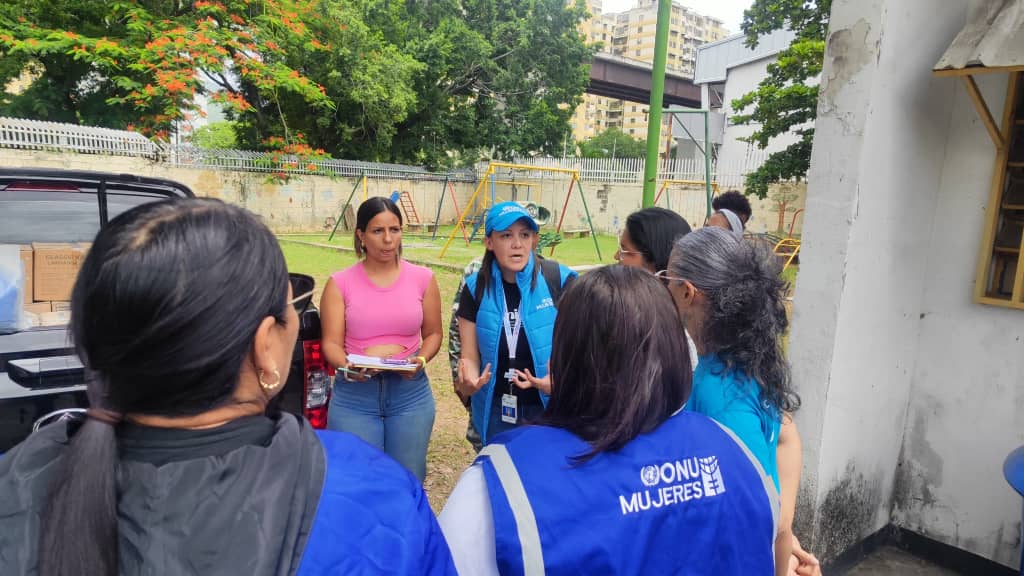
After the June earthquakes in Venezuela, several Women's Empowerment Principles (WEPs) signatories mobilized quickly to support affected communities, working closely with UN Women.
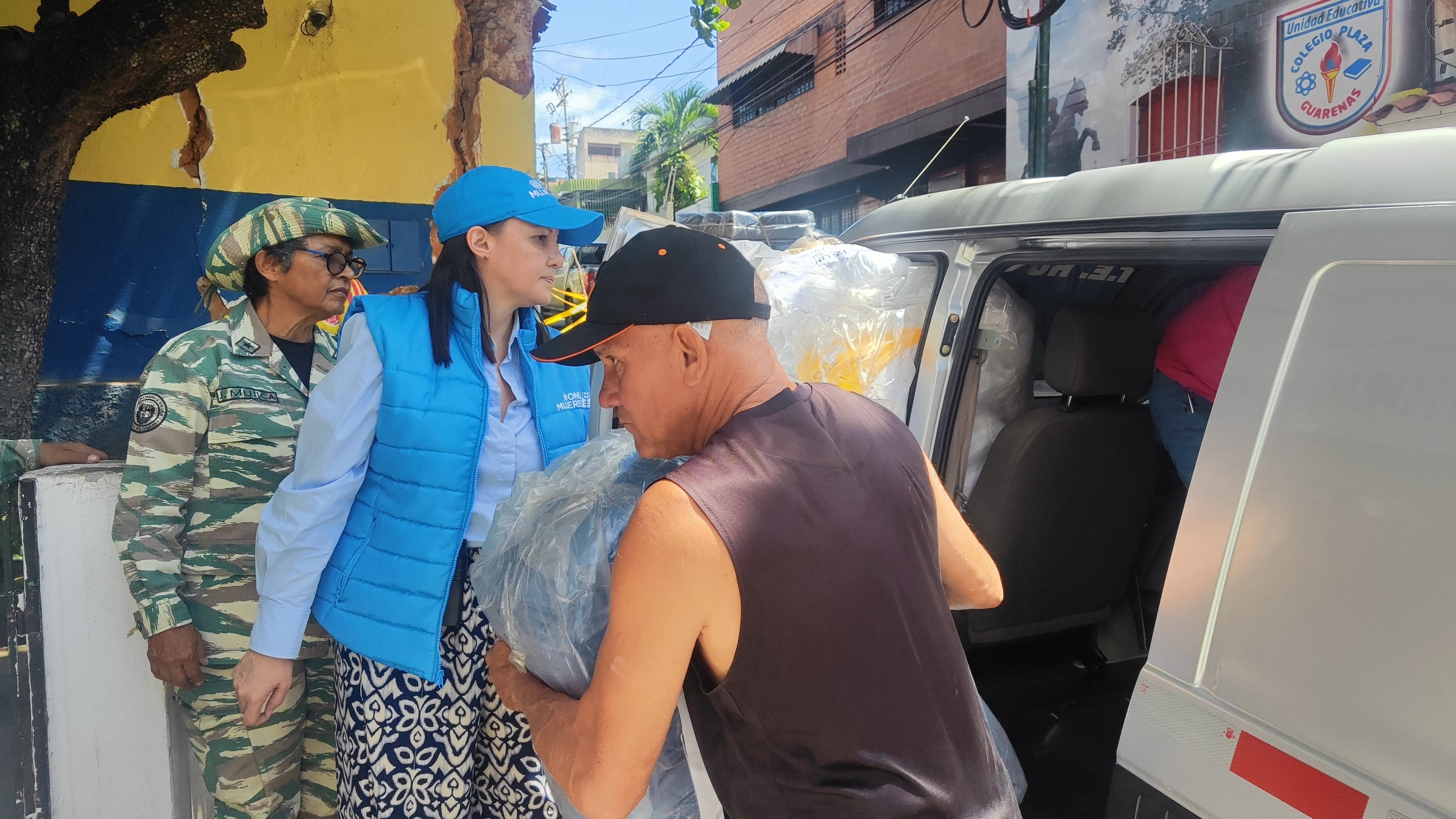
They delivered free medical care, supplied hygiene kits, provided transportation and logistics for relief efforts, distributed tents and sleeping mats, and shared critical safety information along with psychosocial support.
This response shows what private sector action for communities can look like: companies using their core capabilities, from healthcare to logistics to communications, to meet urgent humanitarian needs. The existing relationship of those companies with UN Women in Venezuela – through the WEPs – meant the response could be delivered in an efficient, coordinated and impactful way.
Gender equality commitments matter every day, but they matter most when communities need support fast.
Thirty-three companies and 10 partner organizations took part, reaching more than 30 shelters, health centers, and care facilities across La Guaira, Caracas, and Miranda.
Between them, they distributed:
- More than 31,000 units of personal and menstrual hygiene products
- More than 12,000 units of medication
- More than 10,000 medical supplies
- More than 2,600 food items and safe drinking water
The WEPs signatories have subsequently also provided invaluable connectivity in the shelters.
Read more about the coordinated response to the earthquakes here >
Why gender-responsive relief matters
A 2021 World Bank study found that natural disasters, including droughts, earthquakes, extreme temperatures, famines, fires, floods, landslides, and windstorms, lower women’s life expectancy more than men’s. This occurs either directly, by killing more women than men, or indirectly, by shortening women’s lives through higher morbidity and more severe economic impacts.
A hygiene kit is no small thing when a shelter has no privacy. A medical tent is not a small thing when the nearest hospital is damaged and a woman is still pregnant. In a crisis, the details that get overlooked are often the ones that fall hardest on women and girls.
That's what made this response different. It wasn't only about speed — it was about whether relief was designed with women and girls' needs in mind from the start, rather than an afterthought.
Venezuela's earthquake response was a test of what commitment to gender equality look like when a community actually needs them. Company by company, WEPs signatories showed up.