Community insights

Supporting Women’s Health and Well-being at Work

Published on 28 July 2025

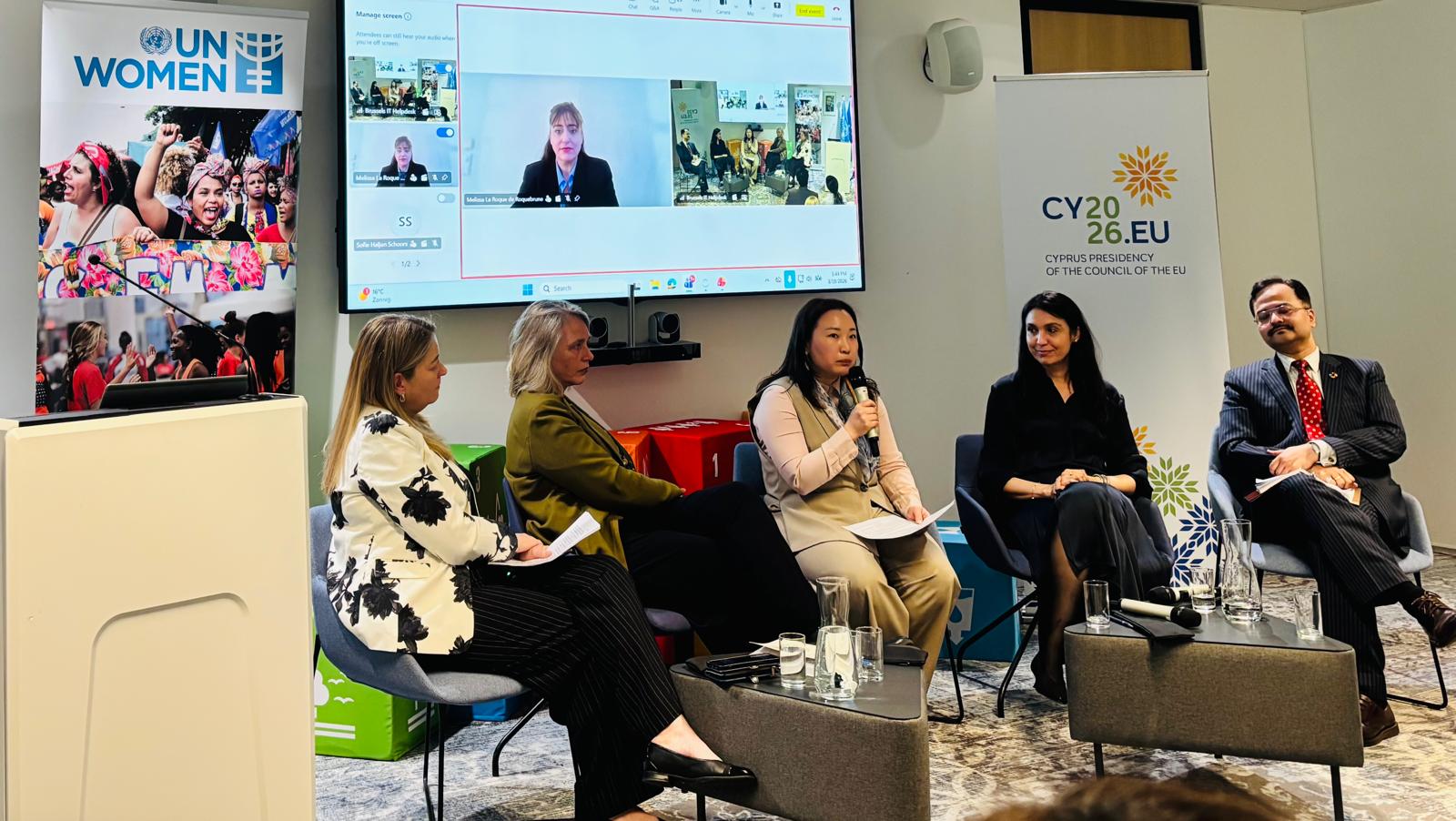
“Women live longer than men,but spend more time in poor health." This powerful statement, made by Anna Falth, Global Head of the WEPs Secretariat at UN Women, set the tone for the 14th session of the Women’s Empowerment Principles (WEPs) webinar series. Hosted by UN Women, the session focused on Principle 3, which calls on companies to ensure the health, safety, and well-being of all employees, with particular attention to women’s needs.

Insights from the WEPs 101 in May

Published on 4 June 2025

On May 7, 2025, UN Women and the UN Global Compact co-hosted the second WEPs 101 webinar of the year, offering companies practical guidance on engaging with the Women’s Empowerment Principles (WEPs). Designed for both new and existing signatories, the session emphasized the WEPs as a globally recognized framework for advancing gender equality across the workplace, marketplace and community.

Empowering Ukrainian Women in Business: How WEPs Signatories Are Stepping Up

Published on 13 May 2025

Ukrainian companies reaffirm their commitment to gender equality and women’s empowerment. Baker McKenzie Ukraine and Epicentr K – two active WEPs signatories — implement inclusive practices that support women in the workplace, advance women’s entrepreneurship, and promote women’s leadership.

Despite ongoing challenges, Ukrainian companies have demonstrated resilience and leadership in advancing gender equality and women’s empowerment. Across Ukraine, women continue to shape the local economy as entrepreneurs.

2025 WEPs Global Survey

Published on 1 May 2025

2025 WEPs Global Survey - Contribute to gender equality in just 20 minutes 

Did you know that the Women’s Empowerment Principles (WEPs) is turning 15 years in 2025? Established in 2010, WEPs has been guiding the private sector to advance gender equality and women’s empowerment throughout their business ecosystems. The WEPs community has grown to over 11,000 signatories in more than 160 countries.