
8 July 2026 | Novotel Nairobi, Westlands
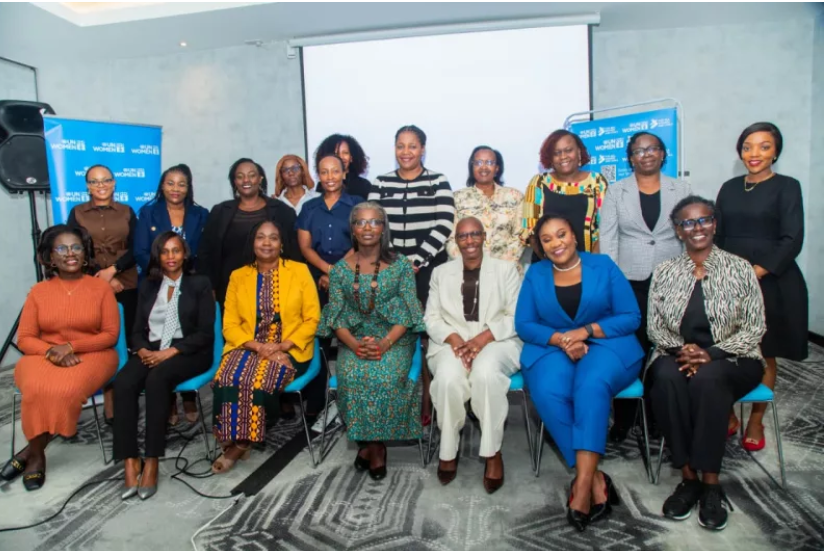
Kenya has made important strides in advancing women’s leadership, with women increasingly visible in political, corporate, public and professional spaces. Yet, women remain significantly underrepresented in the highest levels of decision-making. Against this backdrop, UN Women Kenya convened a high-level roundtable on 8 July 2026, bringing together influential women leaders from government, financial services, private enterprise, media, technology and professional associations.
Designed as a high-trust space for candid conversation, the roundtable moved beyond celebrating women's achievements to examine what is needed to accelerate women's progression into senior leadership. Participants reflected on their personal leadership journeys, explored persistent structural and institutional barriers, and considered how women leaders can use their collective influence to shape Kenya's leadership landscape.
A key highlight was the leadership reflection session featuring Dr. Gilda Odera, Vice Chairperson of the Salaries and Remuneration Commission, and Ms. Rita Kavashe, CEO and Managing Director of Isuzu East Africa. Drawing on their experiences across sectors, both leaders emphasized that leadership journeys are rarely linear and that women should remain open to opportunities beyond their formal training or current roles. They highlighted adaptability, continuous learning, confidence, integrity and resilience as critical leadership competencies.
Their reflections also underscored the importance of visibility and intentional career development. Participants were encouraged not to wait until they felt completely ready before pursuing leadership opportunities, but to recognize and build on their transferable skills. Importantly, the speakers emphasized that leadership should not be measured solely by individual achievement, but by the opportunities leaders create for others. They called for a shift from mentorship to active sponsorship, where senior women intentionally recommend, advocate for and open doors for emerging women leaders.
The plenary discussion identified several persistent challenges within Kenya's women's leadership ecosystem. Participants noted that leadership development programmes often focus on technical skills without adequately preparing women for the realities of executive leadership, including governance, organizational politics, legal accountability, ethical dilemmas and public scrutiny. The need for stronger intergenerational dialogue was also highlighted, particularly to ensure that younger women are included in conversations shaping the future of leadership.
Participants also identified opportunities to strengthen Kenya’s leadership pipeline through structured coaching, mentorship and sponsorship, intergenerational dialogue, early leadership development, stronger evidence and data, and safer and more inclusive workplaces.
A key outcome was strong support for establishing a cross-sector Women’s Leaders Alliance, convened by UN Women. Rather than creating another standalone network, the Alliance would connect existing women’s networks, facilitate peer learning and mentorship, support joint advocacy and knowledge generation, and amplify the voices and stories of women leaders.
As next steps, UN Women will validate the meeting report and develop a Women’s Leadership Roadmap and Workplan informed by the discussions. Participants will continue strengthening collaboration, promoting sponsorship and mentorship, generating evidence, amplifying women’s leadership stories, and reconvening to review progress.
The roundtable marked an important shift from conversation to collective action, laying the foundation for sustained collaboration to advance women’s leadership and influence across Kenya.