
Global supply chains represent an important, yet largely untapped, opportunity for advancing gender equality.
In factories, farms and facilities that produce everything we use, millions of women face systematic barriers: lower wages, workplace harassment, and advancement dead-ends.
These challenges aren't the result of any single company's actions; they're built into how global supply chains have historically operated.
Together, the Global Supply Chain Coalition can change that.
Corporate engagement, cross-sector cooperation and public-private partnerships can contribute significantly to promoting gender equality along these supply chains and initiating sustainable structural change.
Launched at COP30, the Global Supply Chain Coalition (GSCC) offers companies a coordinated and practical framework for developing improving gender equality in supply chains: building better businesses for all women and girls.
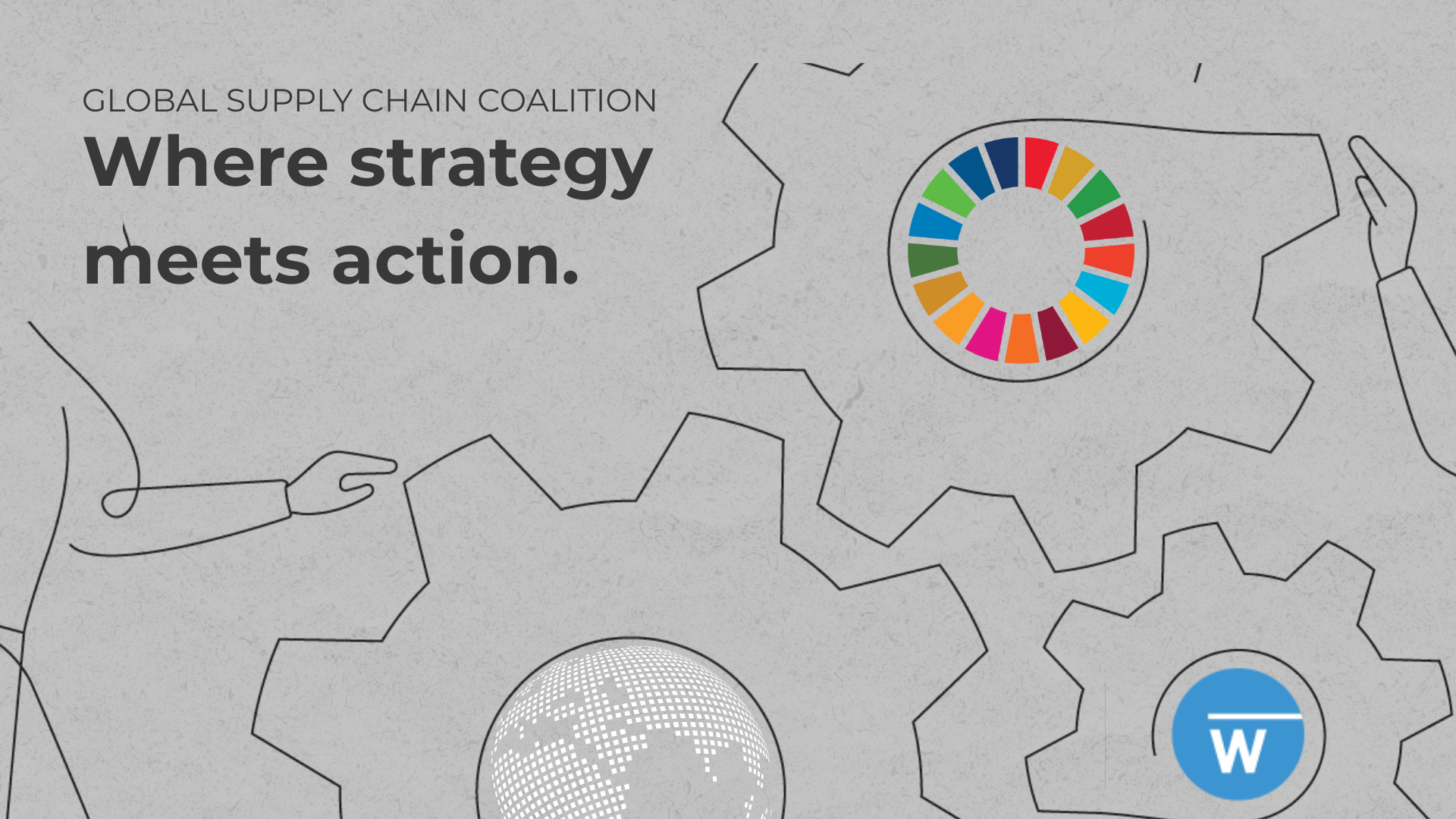
The untapped potential of supply chains
We asked WEPs signatories where they wanted to make more impact. Longtime WEPs signatories – already making great progress on gender equality internally – were eager to go beyond their own company walls into their supply chains.
Supply chains extend across continents, touching millions of workers in factories, farms and facilities worldwide. These networks represent an enormous, untapped opportunity for gender equality at scale. Through procurement decisions, supplier partnerships, and industry standards, businesses can shape working conditions throughout their supply chains.
When companies embed gender equality into their procurement practices, they create accountability that cascades through entire industries. Supplier requirements become workforce policies. Audit criteria becomes career advancement programs. Contract terms become cultural change.
This is how supply chains have the power to turn gender equality commitments into measurable outcomes across thousands of facilities and millions of workers: transforming aspirational goals into everyday practice.
Supply chain gender equality is the next non-negotiable standard in sustainable business: companies that ignore it face reputational risk, and those who lead gain competitive advantage.
Companies need to develop effective strategies to operationalize gender equality throughout their entire supply chain. Addressing these challenges is essential for building stable, resilient, and high-performing supply networks.
Collective action through our Coalition
No single country or company can transform global supply chains alone: but together, through collective action, entire industries and their supply chains can be reshaped. Together, we can shape the standards that will define the industry.
In a recent report the International Labour Organization emphasized that “Supply chains can provide significant socioeconomic opportunities for women” but that to “fully realize these benefits, it is critical to address persistent barriers”.
With the support of the Global Supply Chain Coalition more action will be directed toward transformation: ensuring women workers everywhere have equal pay, safe conditions, and real advancement opportunities.
When companies act individually, suppliers face conflicting demands and limited resources to respond. When companies act collectively through this coalition, they can create unified standards, shared tools, and the procurement power to drive real change.
This coalition isn't just about equality - it's about building smarter, more resilient supply chains that futureproof employment and empowerment through the power of collective action.
Be part of the Coalition and take an active role in shaping a more equitable, sustainable, and resilient supply chain ecosystem. By joining the GSCC, your organization will have the opportunity to lead by example, strengthen your business outcomes and more.
Watch highlights from the launch at COP30
Frequently Asked Questions (FAQ)
Who can join the GSCC?
The GSCC is open to companies that are signatories to the Women’s Empowerment Principles (WEPs), as well as partners committed to advancing gender equality in supply chains. Organizations are expected to demonstrate leadership and readiness to take action across their value chains.
What concrete commitments are expected from members?
Members commit to integrating gender equality into procurement and supplier policies and practices; engaging suppliers on gender-responsive practices; and participating in peer learning, co-creation and dialogues on lessons learned and good practices. Specific targets and implementation pathways may vary depending on company size, sector and maturity level.
How is the GSCC different from existing ESG or due diligence initiatives?
The GSCC focuses specifically on gender equality as a structural supply chain issue, not as a standalone social initiative. It complements existing ESG and human rights due diligence frameworks byembedding gender analysis into risk identification; translating commitments into procurement practices and decisions; and connecting corporate practice with public policy dialogue.
Does participation require public reporting?
Transparency is encouraged and members are expected to demonstrate progress and share learnings, contributing to collective accountability and comparability.
How does the GSCC support companies operationally?
The Coalition provides peer exchange and leadership dialogues; co-creation of practical tools and emerging good practices; policy insights and regulatory updates.
What sectors does the GSCC focus on?
At this stage, the GSCC is cross-sectoral. Gender inequality risks exist across industries, from manufacturing and agriculture to services, logistics and extractives. The Coalition addresses systemic supply chain dynamics rather than sector-specific issues alone.
Does GSCC address informal and lower-tier suppliers?
Yes. A key gap the GSCC aims to close is diminished visibility beyond tier-1 suppliers. Members are encouraged to progressively strengthen due diligence and engagement deeper in their supply chains.
How does gender equality strengthen supply chain resilience?
Gender-responsive supply chains reduce operational disruptions linked to unsafe or discriminatory workplaces, improve workforce retention and productivity, mitigate legal and reputational risks, strengthen supplier performance and long-term partnerships.
What makes the GSCC unique?
The GSCC positions gender equality as fundamental pillar of resilient supply chains and connects corporate action with global policy momentum. It bridges internal corporate commitments with external value-chain transformation.
How can an organization express interest?
Organizations can contact UN Women through the GSCC Secretariat to learn more about membership criteria, commitments and next steps. Email: gscc@unwomen.org
The Global Supply Chain Coalition is a project powered by the Women's Empowerment Principles in cooperation with—and funded by—the Agency for Business and Economic Development (AWE).
 |  |  |